
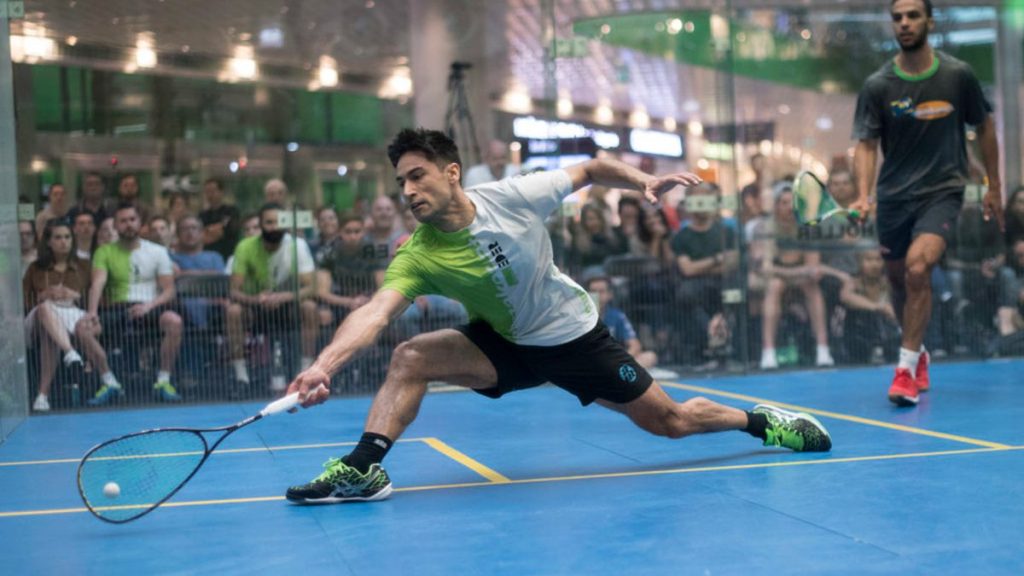
Thomas Wachter is a madman. A squash maniac. In a positive sense, of course.
The native of Pfronten has been addicted to the sport for more than 30 years and therefore – almost logically – also ended up in the office of ÖSRV President.
Written by Sport Austria Finals
To ensure that as many other people as possible discover the sport of squash for themselves or rediscover it, the Austrian Squash Rackets Association has a lot planned.
What all is planned and why a renewed squash boom could come, Wachter explains in an interview:
Mr Wachter, in an article about you the headline was “A life for squash”: would you agree with that?
Wachter: Yes, that is so. Work, squash, work and squash again. And all the time. (laughs)
Can you still remember when you first came into contact with squash?
Wachter: I’ve been playing squash since 1988. When a tennis hall opened, I saw that there was something else underneath. So I borrowed some rackets and gave it a try. And I’ve had the virus ever since.
It doesn’t seem to have gone away, either?
Wachter: No. (laughs) The best saying came from my ex-wife, who told my current wife at the time: “Always remember, if you marry him, don’t marry him alone!”
What is it that makes squash so fascinating for you?
Wachter: You have to combine a lot of qualities: Athleticism, understanding of the game, movement and three-dimensional thinking. And you can really exhaust yourself in a very short time.
Was it then also somehow clear that you would one day hold office?
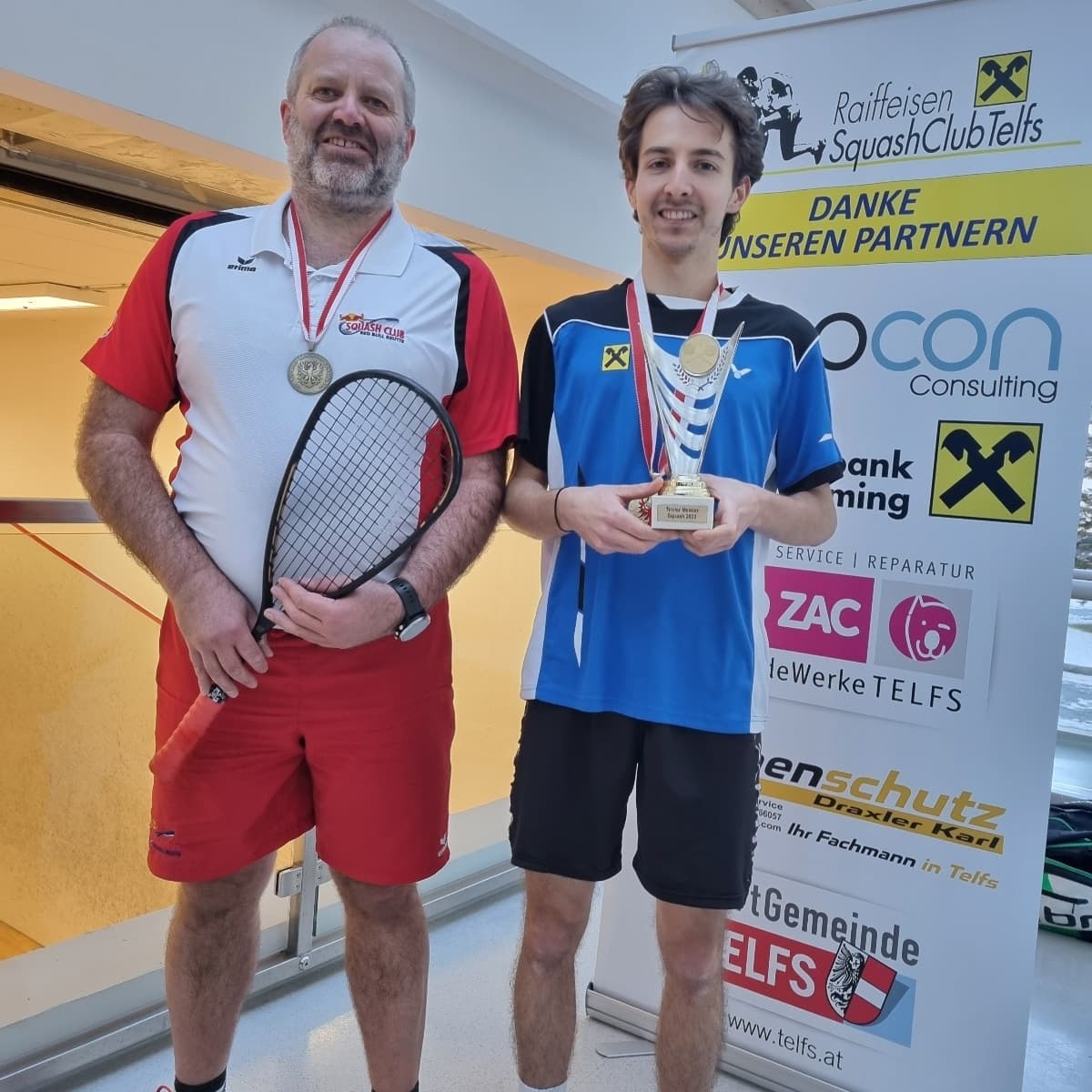
Wachter: It kind of happened from the beginning. I started as a team captain and that’s how it went on. In the mid-1990s, I took over the squash club in Füssen, where I am still the first chairman. At the turn of the millennium, I joined the Tyrolean Federation and was sports director there from 2003 to 2010. In 2010, my predecessor, Michi Khan, asked me for the first time if I could imagine becoming his successor as ÖSRV President. In 2012, I let myself be persuaded to take over the association.
Doesn’t sound entirely voluntary?
Wachter: It’s just like any small association: you have a lot of work for little thanks and reward. (laughs) But it’s still fun, especially with my board. We always pull each other up.
What has changed in squash since you’ve been in this position?
Wachter: Things have picked up a bit in the past ten years. We had an extreme slump after the squash courts were also reduced. That’s also the biggest problem: as a club or association, you don’t have your own facilities, but are at the mercy of the providers. At the end of the 1990s, the boom died down somewhat and the operators then coolly calculated and converted all the space into fitness rooms. From an economic point of view, you have to understand that. A very good example is Graz, where the Sport Austria Finals take place. When I played in the Bundesliga there in the 1990s, there were almost 100 courts in the Graz area. Now we have just three courts in Graz.
What do you think is the reason for the current upward trend?
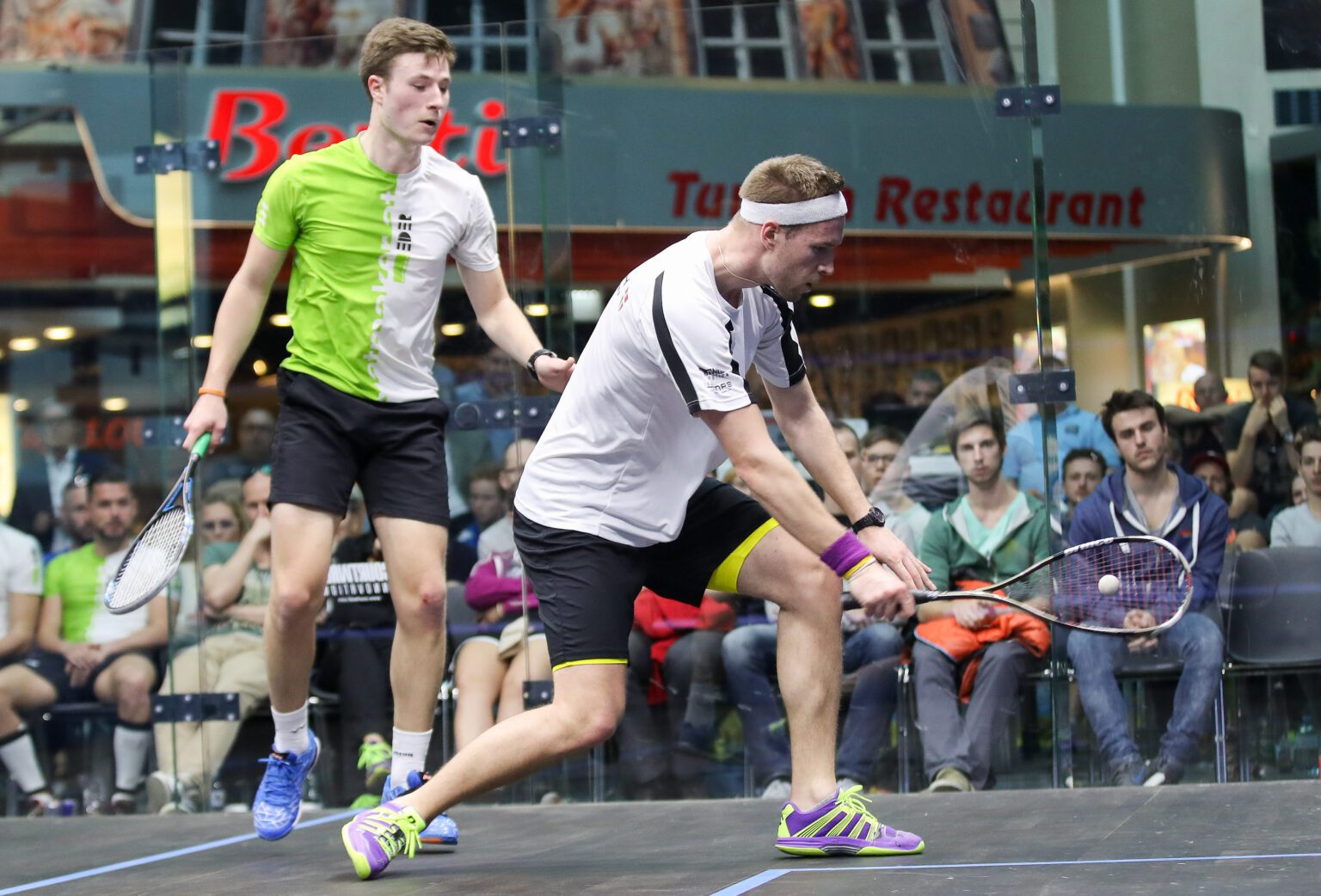
Wachter: The fact that many people who stopped playing are now coming back. Many older squashers who used to play more are now taking up the racket again. That has the disadvantage that the average age is relatively high, but I couldn’t care less. I always say: the more people who do the sport, the better it is. The main thing is exercise!
What can you do as an association to ensure that the trend continues upwards?
Wachter: Up to a certain point, our hands are tied because we can only manage what is brought to us by the grassroots. The basis is the association, the club. If the people in the clubs are not enthusiastic and do not manage to win new people, we as an association will have a hard time.
What are currently the biggest projects that you want to push forward?
Wachter: For us as an association, it is very important to train coaches. We want to have a lot of qualified people who teach other people this sport. In addition, we want to approach schools more strongly in future through the regional associations and encourage children to come to the squash courts.
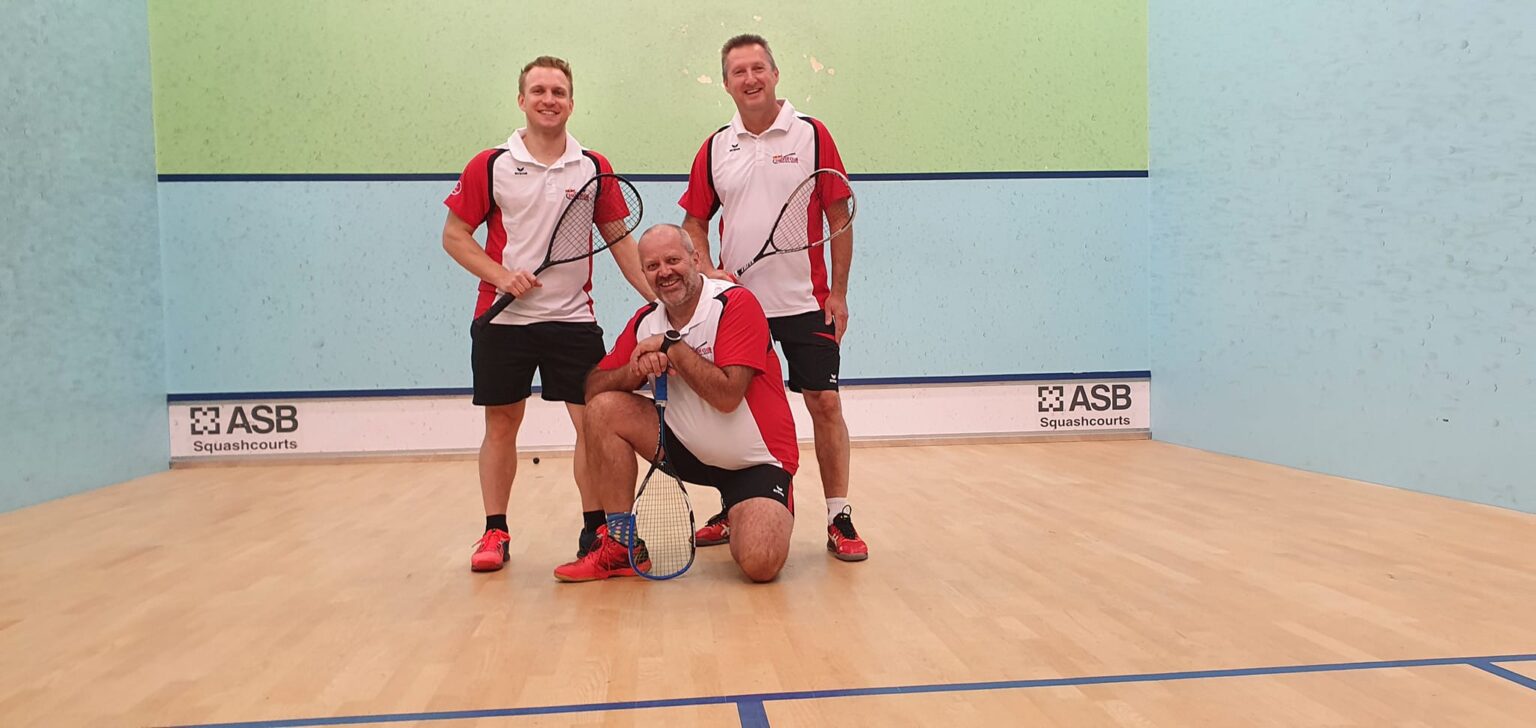
What about young people – can they be inspired to play squash?
Wachter: If the clubs are there with trained coaches, it works. We can see that in the strongholds of Mödling/Wr. Neudorf and Graz. It simply needs a permanent, professional contact person. What has changed compared to the past, however, is that the children no longer do sports so spontaneously and proactively? In our time, we often said at short notice, “come on, let’s go to ice hockey, football or squash”. Now you have to encourage the children more. That’s the biggest change in thinking for us.
How much did you suffer from the Corona pandemic?
Wachter: It was a challenging time. For a long time, only squad training was allowed under the strictest conditions. We noticed that the upward trend of the past few years was slightly dampened by the Corona period. Especially among the youth and children. The decline there was already striking.
What is the general situation in professional squash? Where do we stand in international comparison?
Wachter: At the moment, we only have three athletes who play internationally and, strictly speaking, with Aqeel Rehman, only one real full professional. Due to his age, he has to make sure that he earns his money with work, because you can’t live from squash in Austria. Lukas Windischberger and Jaqueline Peychär are also present in the world rankings, but only in the second rank. Unfortunately, we don’t have a Marcel Hirscher! (laughs)
The second edition of the Sport Austria Finals powered by Intersport & Holding Graz starts in a few weeks. What has stuck with you from the 2021 premiere?
Wachter: It was nice that there was a second edition, but at the same time it was a pity that due to the pandemic many clubs could not present themselves as they would have liked. That’s why I think it’s great that there is a second edition. Graz is also the perfect location, because for me, it is a real sports capital.
What are the expectations for 2022?
Wachter: We will be offered a great platform to show ourselves. We want to make the best possible use of it.
Thank you very much for the interview!
Read original article in German
 Join me on my journey to discover the latest and greatest in the world of squash, and stay updated on all things related to this exciting and dynamic sport. Follow my blog for fresh, up-to-date content that will keep you motivated and inspired to get out on the court!
 SquashWithMe
Leave a comment